The global semi-trailer truck industry is undergoing a significant transformation, driven by technological advancements, evolving regulations, and shifting market demands. This report examines the key trends shaping the future of this crucial sector, analyzing regional variations, technological innovations, and the challenges and opportunities that lie ahead. For more information on different trailer types, see this helpful guide: Tractor Trailer Types.
Regional Differences in Semi-Trailer Design and Operation
Regional variations in semi-trailer design and operation are significant. North America predominantly features conventional designs with the engine positioned in front of the cab, prioritizing driver comfort and ease of engine maintenance. However, European markets favor cab-over-engine (COE) designs, better suited for navigating congested urban environments due to their shorter wheelbases. These differences reflect distinct regulatory frameworks and infrastructural realities. For instance, weight restrictions and road dimensions influence the overall size and configuration of semi-trailers across different regions. This variation underscores the need for tailored solutions that address specific regional needs and regulations. How do these regional differences impact overall industry efficiency, and what innovations might bridge these gaps?
Technological Advancements Driving Efficiency and Sustainability
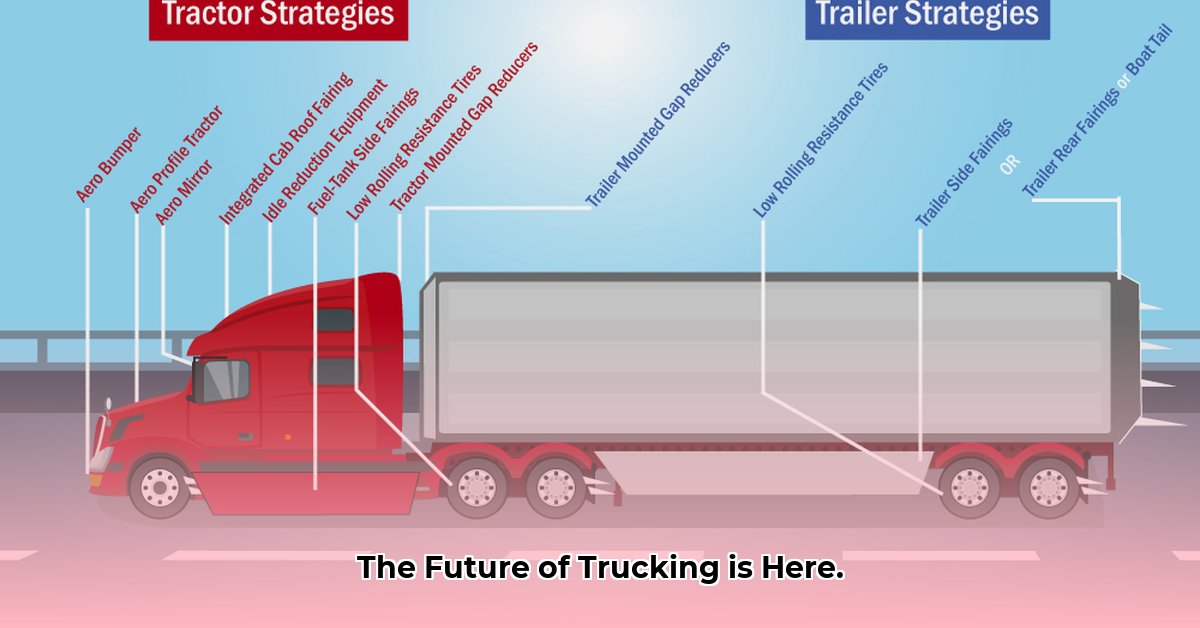
Fuel efficiency is a paramount concern for the trucking industry. Manufacturers are responding by developing more aerodynamic designs, reducing air resistance and improving fuel economy. Furthermore, advancements in engine technology, including the exploration of alternative fuels like hydrogen and electricity, are promising significant reductions in carbon emissions. This technological push extends beyond the vehicles themselves. Telematics systems employing high-tech tracking and data analysis are optimizing routes, improving fleet management, and even influencing driver behavior. While autonomous driving technology holds significant potential, its widespread adoption requires addressing regulatory hurdles, ensuring technological reliability, and carefully considering the impact on the employment of professional drivers. Is the investment in these technologies justified by the potential long-term return on investment?
Intermodal Transport: Optimizing Logistics and Reducing Environmental Impact
Intermodal transport, involving the seamless transition of goods between trucks, trains, and ships, is gaining traction as a more efficient and environmentally friendly solution, especially for long-distance hauls. By leveraging the unique advantages of each mode of transport, intermodal systems reduce reliance on road transport for long distances, minimizing fuel consumption and carbon emissions. However, successful implementation requires significant investment in infrastructure and effective coordination among different transportation modes. How can policy makers best encourage growth of this ecologically sustainable sector while ensuring commercial viability?
The Future: Challenges and Opportunities
The future of the semi-trailer industry presents both significant challenges and exciting opportunities. A critical challenge is the ongoing driver shortage, requiring innovative strategies to attract and retain qualified personnel. Stringent emission regulations necessitate substantial investments in cleaner technologies, while the disruptive potential of autonomous vehicles remains a significant uncertainty. However, the burgeoning demand for efficient and sustainable transportation offers substantial opportunities. Investments in infrastructure to support alternative fuels are crucial for a greener future. Further advances in autonomous driving technology stand to revolutionize safety and efficiency, enhancing both the bottom and top lines. The successful navigation of these challenges and capitalization on opportunities will require collaborative efforts among manufacturers, logistics companies, governments, and fuel suppliers. Will the industry's stakeholders be able to meet this moment, or could the sector stall?
Actionable Insights for Key Stakeholders
The following table outlines short-term and long-term strategies for different stakeholders in the semi-trailer industry:
| Stakeholder | Short-Term Strategies | Long-Term Strategies |
|---|---|---|
| Truck Manufacturers | Enhance fuel efficiency and meet stricter emission standards. | Invest in advanced powertrains (including electric and hydrogen), develop modular truck designs, and integrate advanced driver-assistance systems (ADAS). |
| Logistics Companies | Optimize routes using telematics, implement driver training programs, and invest in predictive maintenance. | Utilize artificial intelligence (AI) for route planning, dynamic pricing, and driver management; prioritize driver retention strategies. |
| Governments/Regulators | Standardize regulations, invest in improved infrastructure, and provide incentives for cleaner technologies. | Develop long-term plans for emissions reduction, support alternative fuel infrastructure, and address the implications of autonomous vehicles on labor models. |
| Fuel Suppliers | Adapt to changing fuel demands and explore alternative fuels. | Invest in the production and distribution of sustainable fuels (e.g., biofuels, hydrogen), and expand infrastructure to support their use. |
Navigating the Regulatory Landscape: A Balancing Act
Government regulations play a pivotal role in shaping the future of the semi-trailer industry. While stricter emission standards are driving innovation towards cleaner technologies, they also add to business costs. Harmonized regulations across jurisdictions would simplify international shipping and reduce costs, but inconsistencies create barriers to trade and innovation. This necessitates a delicate balance: incentivizing progress while fostering a level playing field for all market participants. The future of semi-trailers is inextricably linked to the effectiveness of regulatory frameworks in navigating this complex landscape. How effective will regulations be in addressing the climate crisis without slowing technological advancement or unduly burdening businesses?
The future of tractor semi-trailers is a dynamic interplay of technological innovation, evolving regulations, and strategic adaptation by industry players. The path forward requires a concerted effort to overcome challenges while embracing the substantial opportunities that lie ahead. The industry's success in navigating this complex landscape will determine its long-term viability and its ability to meet the growing demands for efficient, safe, and sustainable transportation.